
Polynucleotides
Polynucleotides (PN) are one of the most advanced skin repair treatments available today, using your body’s own regenerative processes to rebuild skin from within. At SIX1 Aesthetics in Bracknell, we use polynucleotide treatments to address fine lines, skin laxity, dark circles, and overall skin quality — with results that build and improve the more sessions you have.
PROCEDURE TIME
30-45 Minutes
DOWNTIME
Minimal
LASTS FOR
6-12 months
PRICE
From £150 per session


COMMON SIDE EFFECTS
Redness, mild swelling, bruising

What Are Polynucleotides?
Polynucleotides are long chains of DNA derived from highly purified salmon DNA. When injected into the skin, they activate fibroblasts — the cells responsible for producing collagen and elastin. They also improve blood flow, hydration, and tissue repair. Unlike hyaluronic acid treatments, polynucleotides do not just fill or hydrate — they actively regenerate skin tissue at a cellular level, making them one of the most exciting developments in modern aesthetics.
Benefits of Polynucleotides
Polynucleotides are particularly effective for skin concerns that other treatments struggle to address — including delicate under-eye areas, crepey skin, and skin affected by sun exposure or environmental stress. Results build progressively over a course of treatment.
Key benefits include:
- Stimulates collagen and elastin production
- Repairs and regenerates skin tissue at a cellular level
- Reduces fine lines and improves skin laxity
- Effective for under-eye circles and crepey skin
- Cumulative results that build over time
Results from polynucleotide treatments build over several sessions. Many clients notice a real difference in skin texture and firmness after their second or third treatment, with results that continue to improve for months after completing a course.
How Polynucleotide Treatment Works
Polynucleotide treatments are typically delivered in a course of three to four sessions, spaced two to four weeks apart. Each session takes around 30-45 minutes and involves precise superficial injections across the treatment area.
Consultation and skin analysis
We start with a full consultation to discuss your skin concerns and assess the areas you want to treat. This lets us design a personalised treatment course tailored to your goals and skin type.
Application of numbing cream
A topical numbing cream is applied to the treatment area to ensure your comfort throughout the procedure.
Precise polynucleotide injections
The polynucleotides are injected superficially into the skin at multiple points across the treatment area. The technique is careful and targeted to deliver the product evenly and stimulate regeneration across the full area.
Course of treatments for best results
Polynucleotides work cumulatively. We recommend a course of three to four sessions to achieve the best results, with maintenance treatments every six to twelve months to sustain and build on your improvements.
How Long Do Polynucleotides Last?
Polynucleotide results typically last six to twelve months, with effects that continue to improve during and after a course of treatment. The regenerative process builds over time, so results often look even better three to six months after completing your course. Maintenance treatments help sustain and build on your results.
Polynucleotide Aftercare
After your polynucleotide treatment, you may experience some redness, mild swelling, or small bumps at the injection sites for 24-48 hours — this is normal. Avoid alcohol, intense exercise, saunas, and direct sun exposure for 24 hours. Avoid touching or rubbing the treated area. Most clients return to normal activities the same day.
Why Choose SIX1 Aesthetics
At SIX1 Aesthetics in Bracknell, we stay at the forefront of aesthetic medicine, offering the most effective regenerative treatments available. Polynucleotides are one of the most exciting developments in aesthetics, and we invest in training and technique to ensure every client gets outstanding results. If you are looking for a treatment that genuinely improves your skin rather than masking concerns, polynucleotides are worth exploring.
Polynucleotide Treatments
| Polynucleotides | Procedure time | Downtime | Lasts For | Price (From) | Common Side Effects |
|---|---|---|---|---|---|
| Single PN Session | 30-45 minutes | Minimal | Builds over time | From £150 | Redness, mild swelling, bruising |
| PN Course (3 sessions) | 30-45 minutes | Minimal | 6-12 months | From £320 | Redness, mild swelling, bruising |
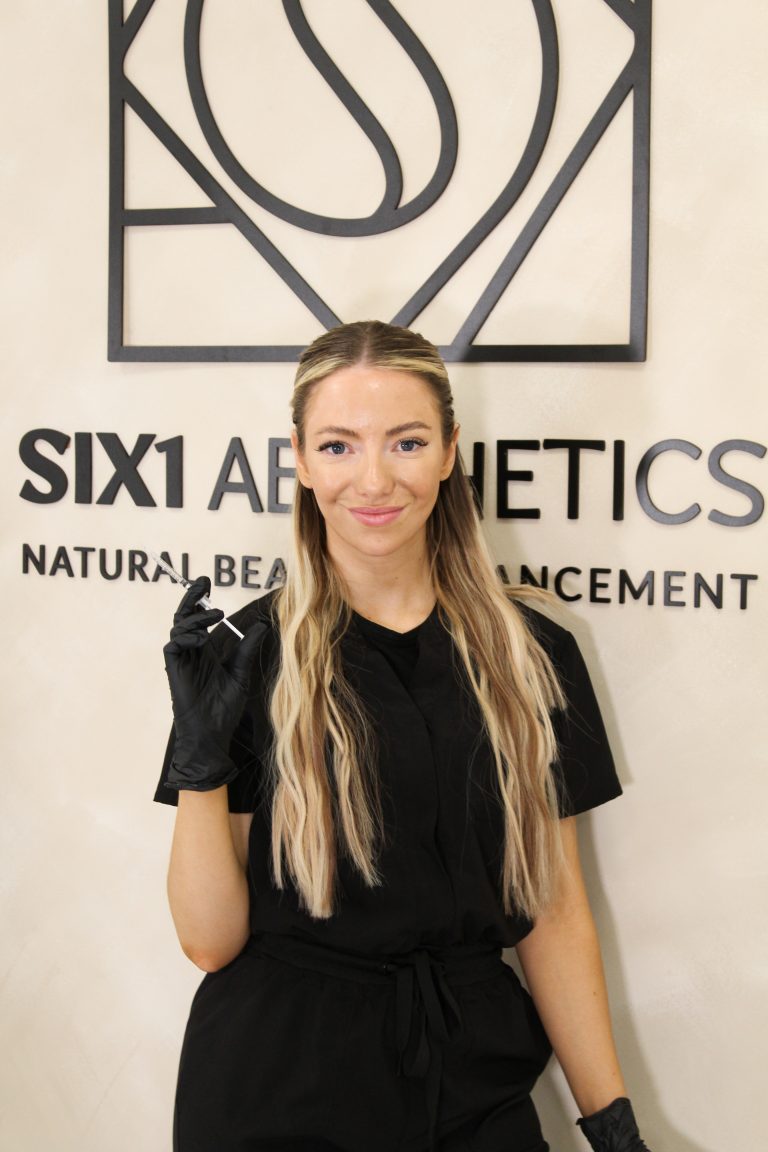
Planned and performed personally by Zian
Every treatment at SIX1 is carried out by Zian, our lead practitioner, at our Bracknell clinic. No rotating staff and no handing you over to someone else. She assesses your whole face, tells you honestly what will help and what you do not need, and builds a plan around that.
HBA Finalist 2025 · Rated 5.0 from 93 Google reviews · Training towards Level 7, the highest qualification in UK aesthetics
Polynucleotides FAQ's
What are polynucleotides?
Polynucleotides are long chains of DNA molecules that stimulate the skin's natural repair and regeneration processes. When injected into the skin, they activate fibroblasts — the cells that produce collagen and elastin — improving skin quality, firmness, and texture from the inside out.
How are polynucleotides different from other injectables?
Unlike hyaluronic acid fillers or skin boosters, polynucleotides work by regenerating skin tissue rather than filling or hydrating directly. They trigger collagen production and tissue repair at a cellular level, delivering results that build progressively over a course of treatment.
How many sessions do I need?
Most clients benefit from a course of three to four sessions, spaced two to four weeks apart. Results build gradually, and the full effect is usually visible a few months after completing the course. Maintenance treatments every six to twelve months help sustain your results.
Are polynucleotides the same as PDRN?
PDRN (polydeoxyribonucleotide) is a specific type of polynucleotide with a particularly strong ability to stimulate tissue regeneration. The terms are sometimes used interchangeably, but polynucleotides encompasses a range of similar products. All work by activating the skin's natural repair processes.
Does polynucleotide treatment hurt?
Numbing cream is applied before treatment to minimise discomfort. Most clients find the procedure comfortable, though you may feel a slight stinging sensation during injections. Any discomfort is brief and very manageable.
How soon will I see results?
Most clients notice improvements in skin texture and hydration after two to three sessions. The full regenerative effect becomes visible over several months as collagen production increases. Polynucleotides are a gradual treatment — a full course delivers the best results.
Are polynucleotides suitable for sensitive skin?
Polynucleotides are generally well-tolerated, including by clients with sensitive skin. Because they work in harmony with the body's own biology, adverse reactions are uncommon. We will assess your skin and medical history at your consultation to confirm suitability.
Can polynucleotides treat under-eye dark circles?
Yes. Polynucleotides are particularly effective in the under-eye area, improving the quality of delicate skin, reducing dark circles, and addressing crepiness. Multiple sessions are typically needed for the best results in this area.
Can polynucleotides be combined with other treatments?
Yes, polynucleotides work well alongside many other aesthetic treatments, including anti-wrinkle injections, dermal fillers, and Profhilo. A combined approach can address multiple concerns at once. We will design a tailored plan at your consultation.
Who is not suitable for polynucleotide treatments?
Polynucleotide treatments are not recommended for those who are pregnant or breastfeeding, have a known allergy to fish or salmon, have active skin infections in the treatment area, or have certain autoimmune conditions. We will review your medical history at consultation.
We offer polynucleotides at our clinic in Bracknell, Berkshire.